
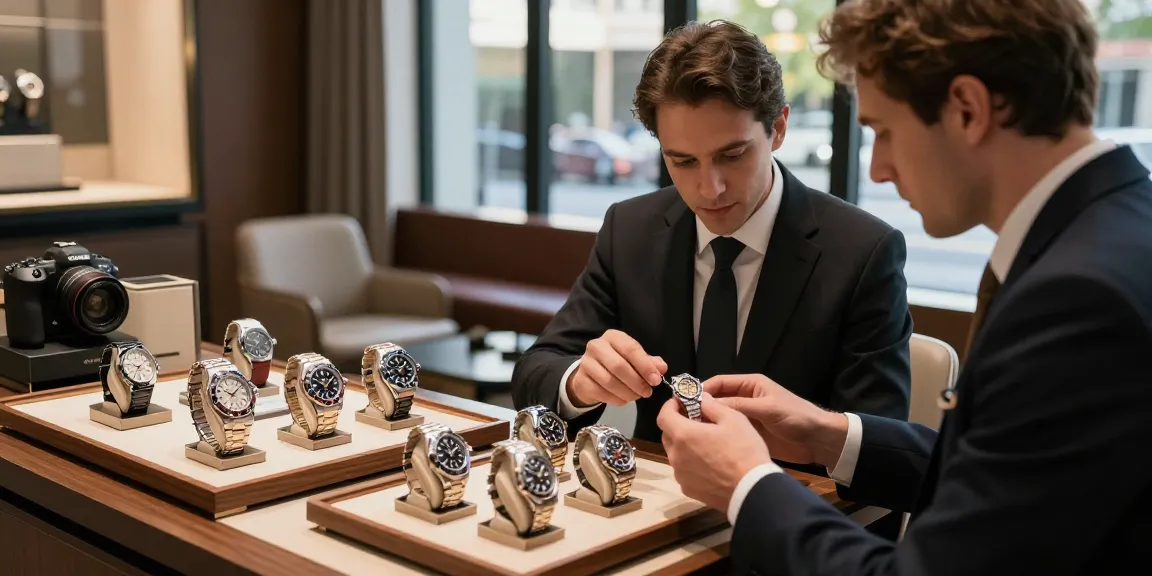
Understanding Clone Watches
In the ever-evolving world of luxury timepieces, clone watches have emerged as a significant segment, inviting both intrigue and skepticism. These timepieces are not just about flaunting the aesthetics of renowned brands but are a culmination of meticulous craftsmanship and innovation. While traditional replicas might only capture the surface details of luxury watches, clone watches dive deeper, replicating not just the appearance but also the mechanics and feel of their high-end counterparts. When exploring options, clone watches provide comprehensive insights into the world of replicated luxury, ensuring both quality and reliability.
What Are Clone Watches?
Clone watches are premium replicas designed to closely mimic the appearance and functionality of high-end luxury watches. Unlike ordinary replicas, which may be produced using cheap materials and inferior craftsmanship, clone watches focus on delivering an authentic experience. They recreate the aesthetic allure, intricate details, and even the movements of their original counterparts.
Difference Between Clone and Replica Watches
The distinction between clone and ordinary replica watches is significant. While all clones fall under the broader category of replicas, not all replicas qualify as clones. Clone watches often feature:
- High-quality Swiss movements that ensure precise timekeeping.
- Accurate materials such as 904L stainless steel or premium leather, closely mirroring the original brands.
- Attention to detail in design, ensuring that every engraving, font, and functional component reflects the luxury watch it emulates.
Conversely, standard replicas may use subpar materials and often lack the intricate movement details that premium clones possess, making them less suitable for discerning watch enthusiasts.
Quality Standards in Clone Watches
Quality is paramount in the clone watch industry. Ensuring that clone watches adhere to strict quality standards is essential for both manufacturers and consumers. These standards include:
- Rigorous testing of materials and movements to ensure longevity and reliability.
- Benchmarking against original models to ascertain accuracy in design and functionality.
- Commitment to craftsmanship that emphasizes detail over quantity in production.
By upholding these standards, clone watches can attain a level of excellence that satisfies even the most discerning of buyers.
The Super Clone Standard
Delving deeper into the realm of clone watches, we encounter the term “super clone,” which refers to the highest tier of replicas. These timepieces are engineered with a level of precision that sets them apart from standard clones.
Defining Super Clone Watches
Super clone watches are often described as 1:1 replicas, meaning they aim to replicate every aspect of the original watch—both internally and externally. This includes features like the exact weight, dimensions, and even the luxury box in which the watch is presented.
Swiss Movements in Super Clones
At the heart of every super clone watch is a Swiss movement, which is crucial for maintaining the authenticity that enthusiasts seek. These movements, derived from top-tier Swiss craftsmanship, ensure that the timepiece operates smoothly and accurately, providing a genuine experience similar to the original.
Materials and Craftsmanship Explained
Super clone watches utilize premium materials that are indistinguishable from their authentic counterparts. This includes:
- High-grade metals like 904L stainless steel, known for its durability and resistance to corrosion.
- Sapphire crystal glass, which offers scratch resistance and clarity.
- Ceramic bezels that replicate the original’s aesthetic with added resilience.
Such material choices not only enhance the visual appeal of the watch but also contribute to its overall longevity and functionality.
Choosing the Right Clone Watch for You
With a plethora of options available, selecting the perfect clone watch tailored to your preferences can be overwhelming. However, an informed approach can simplify the process significantly.
Factors to Consider When Buying Clone Watches
When on the hunt for a clone watch, consider the following factors:
- Purpose: Determine whether the watch is for daily wear or special occasions.
- Brand Prestige: Some brands carry more weight and recognition than others, influencing resale value.
- Movement Quality: Ensure that the watch is powered by a reputable movement to guarantee longevity.
Comparing Clone Watches: Popular Brands
While many brands offer clone watches, a few stand out due to their craftsmanship and reputation. Noteworthy names include:
- Rolex – Particularly known for models like the Submariner and Daytona.
- Audemars Piguet – With their iconic Royal Oak series, they are a favorite among luxury watch enthusiasts.
- Patek Philippe – Renowned for their Nautilus and Aquanaut collections, reflecting sophistication.
When comparing these brands, take into account the material use, movement mechanics, and overall aesthetic authenticity.
Common Mistakes and Misconceptions
Numerous misconceptions surround clone watches. Common pitfalls include:
- Believing that all replica watches are of equal quality—failed expectations often lead to dissatisfaction.
- Overlooking the importance of research before purchasing, which can result in buying a subpar product.
- Assuming that high prices equate to high quality, when sometimes the brand name alone drives costs.
By being aware of these misconceptions, you can make more informed decisions when exploring the world of clone watches.
Maintenance and Care for Clone Watches
To ensure your clone watch retains its elegance and functionality, proper maintenance is essential. Regular care can prolong its life significantly.
How to Maintain Your Clone Watch
Maintenance tips include:
- Regular cleaning with a soft cloth to remove dirt and fingerprints.
- Avoiding exposure to harsh chemicals that can damage the watch’s surface.
- Routine servicing by a professional to check the movement and battery life.
Repairing Clone Watches: What to Know
In the event of a malfunction, having knowledge about repair options is beneficial:
- Assess whether the issue is mechanical or related to aesthetics.
- Find a professional familiar with luxury watch repairs to avoid further damage.
- Keep any warranty details handy, as many reputable sellers provide service guarantees.
Recognizing Quality Issues in Clone Watches
Being able to identify quality issues can save you from future disappointment. Look for:
- Inconsistencies in the design that diverge from the original model.
- Movement irregularities, such as a ticking sound instead of a smooth sweep.
- Material discrepancies, especially in the case of metal or glass finishes.
By remaining vigilant, you can ensure that your investment yields both beauty and reliability.
Future of Clone Watches in 2026
As we move into 2026, the clone watch market is poised for transformation, driven by technological advancements and market trends.
Emerging Trends in Clone Watch Designs
Anticipated trends include:
- Increased customization options, allowing buyers to tailor designs to personal preferences.
- Eco-friendly materials and processes as environmental awareness rises.
- Integration of smart technology in luxury replicas for added functionality.
Market Insights and Predictions
The demand for clone watches is expected to grow, especially among younger consumers seeking affordable alternatives to luxury timepieces. As the market evolves, brands that can maintain quality while innovating will likely thrive.
Technological Advances Impacting Clone Watches
Technological innovations such as 3D printing and advanced material sciences are expected to revolutionize production methods:
- Reducing production costs while improving quality.
- Enhancing the accuracy of clone replication to a level previously unattainable.
- Facilitating more intricate designs, which can authentically mirror the originals.
Is Buying Clone Watches a Smart Investment?
When considering the potential of clone watches as an investment:
- Assess their resale value, especially for popular brands and models.
- Evaluate the longevity of the watch and potential maintenance costs.
- Consider the satisfaction factor, as personal enjoyment plays a crucial role in investment value.
How to Spot High-Quality Clone Watches?
To ensure your investment in a clone watch is worthwhile, look for key indicators:
- Research the seller’s reputation and read customer reviews.
- Examine detailed pictures and request information about the materials and movements used.
- Request authenticity certificates when available for added assurance.
What Are the Risks of Buying Clone Watches?
Despite their allure, there are risks to consider when purchasing clone watches:
- The possibility of receiving a subpar product that doesn’t meet the promised standards.
- Potential legal implications if the product is mischaracterized as the original.
- Challenges in finding reliable after-sales support or warranty services.
In conclusion, clone watches offer an appealing alternative for those desiring luxury aesthetics without breaking the bank. With the right knowledge and careful decision-making, buyers can enjoy the unparalleled beauty and craftsmanship of these timepieces while minimizing risks associated with purchasing replicas.